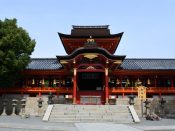
Iwashimizu Hachimangu Shrine
Iwashimizu Hachimangu Shrine is one of the three major Hachiman shrines in Japan.Iwashimizu Hachimangu Shrine has been revered by the Imperial Court.The shrine was worshipped as the “god of victory,” “god of bow and arrow,” and “god of luck” by the Minamoto clan, and was frequently visited by Minamo....
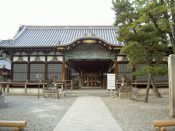
Ujikami Shrine
Ujikami Shrine, a World Heritage Site, was considered as two shrines and one entity together with Uji Shrine, but they were separated in the Meiji era (1868-1912).The main hall (national treasure), built in the Heian period (794-1192), is the oldest existing shrine building in Japan.The hall of wors....
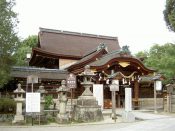
Gokonomiya Shrine
Gokonomiya Shrine was given the name Gokomiya by Emperor Seiwa because of the fragrant spring that sprang up in the precincts of the shrine.It is visited by many worshippers as a god of easy childbirth.Every year in early October, the largest festival in Rakunan, Gokonomiya Shinkosai (Fushimi Festiv....
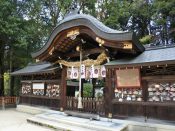
Jounangu Shrine
Jounangu Shrine is said to have originated in 816 when it became the guardian deity of the southern part of Heiankyo and became a government shrine.It is the "God of directional protection," "God of traffic safety," and "God of travel safety.Yutate Kagura" is held in January, "Shidare Ume and Camell....
Fushimi Inari Taisha
Fushimi Inari Taisha is the head shrine of about 30,000 Inari shrines throughout Japan.The Senbon-Torii gate is a popular photo spot for Japanese and foreigners alike.After passing through the Senbon-torii gate, you will find the "omokaru-ishi" stone, which is said to grant wishes if the weight of t....
Fujimori Shrine
Fujimori Shrine is known as the birthplace of the Iris Festival (Tango).Many people involved in horse racing visit the shrine for its blessings for luck in winning.In May, the Fujimori Festival, famous for the Kakeuma Shinto ritual, is held.....
Imamiya Shrine
Imamiya Shrine began as a shrine to the deity of the Goryoe.Goryoe is a festival to appease vengeful spirits that cause epidemics and disasters.The word "Ima" in Imamiya Shrine means "new.In front of the Imamiya Shrine gate is the aburimochi shop Ichimonjiya Wassuke, the oldest wagashi shop in Japan....
Kamigamo Shrine
Kamigamo Shrine (official name: Kamowake Ikazuchi Shrine), a World Heritage Site, is the oldest shrine in Kyoto.Kamigamo Shrine and Shimogamo Shrine are collectively called Kamosha.In May, the Aoi Matsuri (Kamo Matsuri), one of the three major festivals in Kyoto, is held jointly with Shimogamo Shrin....
Kifune Shrine
Kifune Shrine is dedicated to the god of water.It is said that about 1,600 years ago, Princess Tamayori (mother of Emperor Jinmu) took a kifune (yellow boat) back from Naniwa (Tsu, Osaka) and built a shrine here.This area is called "Kibune" and the shrine is called "Kifune.....
Saginomori Shrine
Saginomori Shrine is a shrine dedicated to Susanoo-no-Mikoto.It was originally founded in the area of Seizan Myojin at the foot of Mount Hiei.It was destroyed by fire during the Onin War, but was moved to the area around the current Shugakuin Rikyu. During the season of autumn leaves, the approach t....