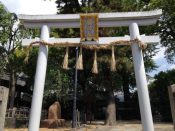
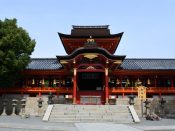
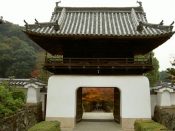
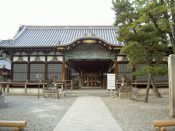
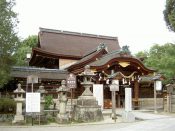
Agata Shrine
Agata Shrine is a shrine that offers blessings for good marriages, safe childbirth, prosperous business, and family safety.There is an Agatai well, which was written in a poem, and a large muku tree that is over 500 years old.The Agata Festival, held from June 5 to early morning of June 6, is famous....
Iwashimizu Hachimangu Shrine
Iwashimizu Hachimangu Shrine is one of the three major Hachiman shrines in Japan.Iwashimizu Hachimangu Shrine has been revered by the Imperial Court.The shrine was worshipped as the “god of victory,” “god of bow and arrow,” and “god of luck” by the Minamoto clan, and was frequently visited by Minamo....
Ujikami Shrine
Ujikami Shrine, a World Heritage Site, was considered as two shrines and one entity together with Uji Shrine, but they were separated in the Meiji era (1868-1912).The main hall (national treasure), built in the Heian period (794-1192), is the oldest existing shrine building in Japan.The hall of wors....
Koshoji Temple
Koshoji Temple was originally founded by Dogen in Fukakusa (northern part of Fushimi Ward, Kyoto).The gate of the temple is located at the top of the "Kotozaka" hill that leads to Koshoji Temple, and on the top of the gate is a temple dedicated to the sixteen arhats.The approach to the temple, calle....
Gokonomiya Shrine
Gokonomiya Shrine was given the name Gokomiya by Emperor Seiwa because of the fragrant spring that sprang up in the precincts of the shrine.It is visited by many worshippers as a god of easy childbirth.Every year in early October, the largest festival in Rakunan, Gokonomiya Shinkosai (Fushimi Festiv....
Jounangu Shrine
Jounangu Shrine is said to have originated in 816 when it became the guardian deity of the southern part of Heiankyo and became a government shrine.It is the "God of directional protection," "God of traffic safety," and "God of travel safety.Yutate Kagura" is held in January, "Shidare Ume and Camell....
Toji Temple
Toji Temple, a World Heritage Site, was built to the east of Rajomon Gate when the capital was moved to Heian-kyo by Emperor Kanmu.Its official name is Kyoo Gokokuji Temple.On the 21st of every month (the anniversary of the death of Kobo Daishi Kukai), a fair called "Kobo-san" is held with over a th....
Bishamondo
Bishamondo was originally founded by merging three temples.The main deity is Bishamonten.Bishamonten is believed to bring good luck for prosperous business, family safety, and to ward off evil spirits, and a lucky bamboo branch will be awarded at the "Hatsu-tora mairi" in January.It is famous for "B....
Fushimi Inari Taisha
Fushimi Inari Taisha is the head shrine of about 30,000 Inari shrines throughout Japan.The Senbon-Torii gate is a popular photo spot for Japanese and foreigners alike.After passing through the Senbon-torii gate, you will find the "omokaru-ishi" stone, which is said to grant wishes if the weight of t....
Fujimori Shrine
Fujimori Shrine is known as the birthplace of the Iris Festival (Tango).Many people involved in horse racing visit the shrine for its blessings for luck in winning.In May, the Fujimori Festival, famous for the Kakeuma Shinto ritual, is held.....